LAS SOÑADORAS
An unfolding migration.
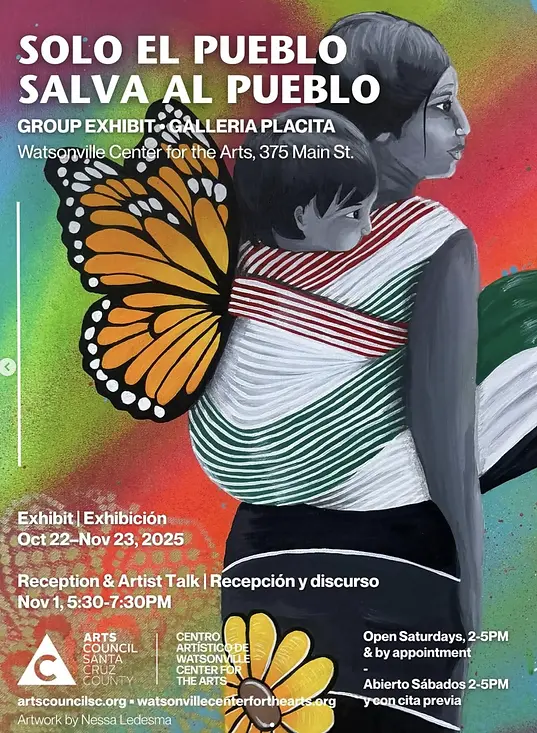
Las Soñadoras (aka The Dreamers) was an installation featured in Solo el Pueblo Salva al Pueblo, a community-driven exhibit hosted by the Watsonville Center for the Arts. The installation was comprised of over 300 paper butterflies on opening day. Members of the public were encouraged to add more butterflies to the gallery walls, inscribed with their own dreams and messages of hope.
Galleria Placita
The Watsonville Center for the Arts was launched in the wake of the pandemic as a newfound third space. Yesenia Molina, one of the main coordinators for the Center, invited me to participate in their first ever group exhibit. Solo el Pueblo Salva al Pueblo would celebrate immigrant stories from across the globe, though Watsonville's multicultural heritage would play a key role in the tone of the exhibit. I wanted my own piece to
be interactive, collaborative, and transformative. In working with such a young gallery, I found myself wading into uncharted waters, albeit with an ambitious team at my side.
Scoping the Scene
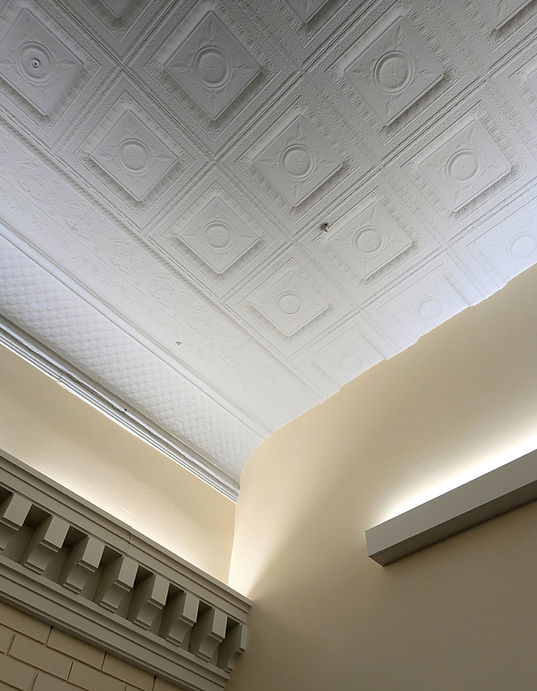
I spent multiple weekends at the Watsonville Center for the Arts mapping the space, negotiating the bounds of my installation, and sketching out my ideas. I soon discovered the Center was originally a bank, with a vault that still had its multi-spoke handle nestled between the white board and the coffee machine in the break room. This also meant that the gallery had these lovely embellishments in the absurdly high ceiling. In spite of my better judgement, I couldn't shake the idea of hanging a multi-tiered mobile from one of the hooks lodged up above. Amazingly, Molina agreed to find a ladder tall enough to reach the ceiling and a dauntless roofer who would secure it. The only trouble left was actually building the thing.
Crickets at the Print House
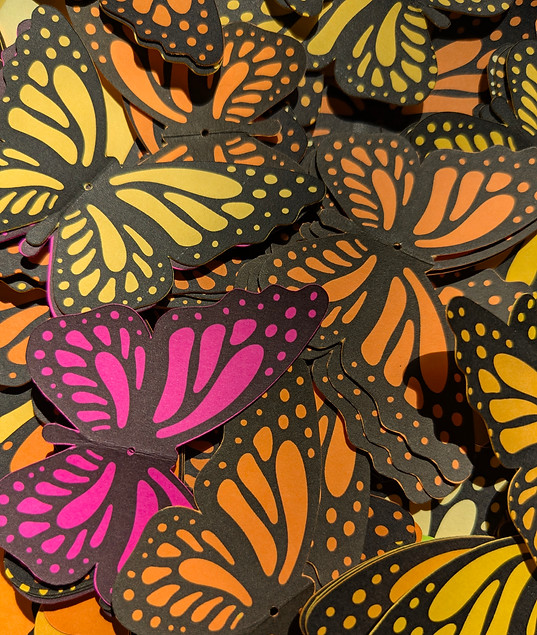
After the sketches and scribbles, I set about designing a vector file for the monarch butterflies that would serve as the core element of my installation. This was easy enough. The next step involved rummaging around my cabinets for the sort of construction paper used in papel picado. My poor office printer was tasked with printing out dozens of sheets over the course of an afternoon. I was under the impression I could hand-cut at least 500 butterflies before the exhibit opened to the public. 40 butterflies in, I damaged the radial nerve in my right hand. To avoid further injury, I acquired a shiny new gadget called a Cricut. Unlike more heavy-duty CNC machines, a Cricut is a crafter-friendly tool capable of slicing the silhouettes of simple vector and raster files into paper.
Strings of Fate
Once the Cricut worked its magic, I found myself with a kaleidoscope of loose paper butterflies scattered across my studio. I knew I would keep a box or two of them as-is and encourage exhibit attendees to add those to the gallery, but the rest would be strung together in a spectacular piece that would catch the eye of pedestrians outside of the Center. After much sleuthing, I found two plywood bases for holiday wreaths that would serve as the bones of my mobile. A spool of fishing line, a jar of seed beads, and a handful of jewelry hardware tied everything together. I spent many long nights threading my delicate butterflies into long strands and fastening them to the plywood rings, one nestled inside the other. The final structure resembled a chandelier more than a typical mobile.
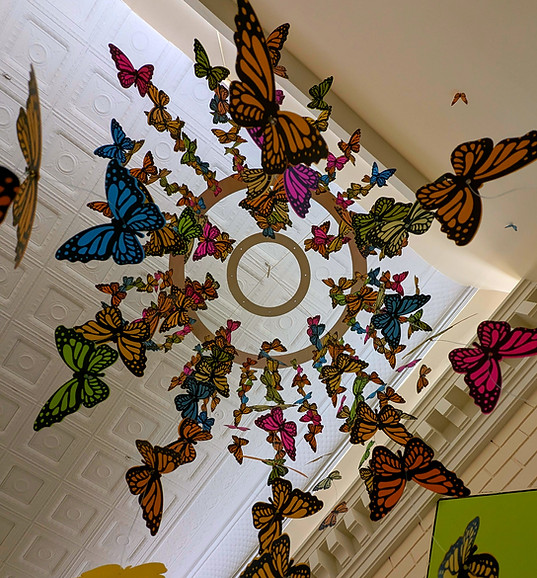
Installation in Progress
Transporting the mobile to the Center was a feat unto itself. After wrapping each strand of butterflies in a set of ribbons, I managed to haul the mobile into the gallery without incident. The process of hanging the main piece was a task reserved for Molina's contact, but I intended to invent yet another element to add to my installation. The mobile was a bit too static indoors to catch the attention of passerby, so I spent an extra day or two sticking butterflies to the gallery window. Mayra Ruiz-Valtierra, the assistant manager for the Center, helped organize the butterfly work station for visitors. The station included a sign clarifying that the boxes of butterflies, pens, and sticky dots were not left out by accident.
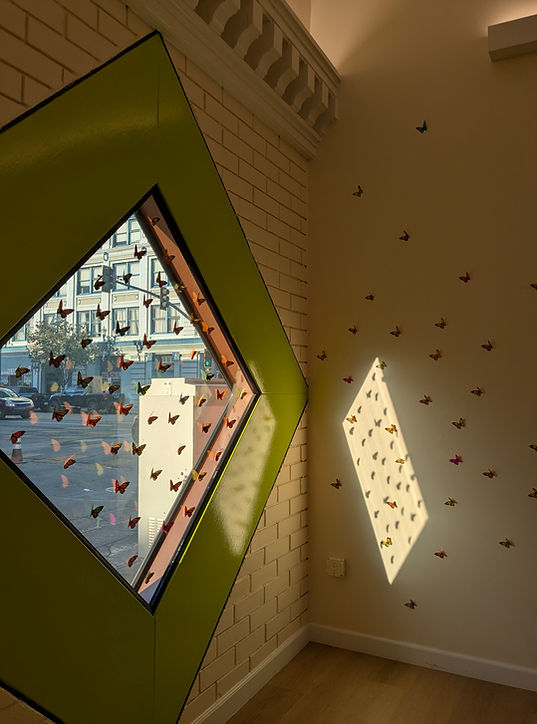
Grand Opening to Aftermath
After weeks of preparation, Ruiz-Valtierra opened Solo el Pueblo Salva al Pueblo to the public. I was able to speak with the other artists involved in the exhibit and hear their stories. Some confessed their own struggles gaining citizenship in the United States. Others conveyed their outrage at the violence leveled against marginalized communities at home and abroad. For my part, I spoke of monarch butterflies and the DREAM Act. It was an exchange I will never forget.


